Safer Bathing Layouts That Work in Small New England Bathrooms
Safer Bathing Layouts That Work in Small New England Bathrooms
Small New England bathrooms can feel tricky, especially in older homes with tight layouts. When space is tight, simple daily tasks like stepping over a high tub wall or turning around on a wet floor can feel a little risky, especially as we get older or deal with sore joints after a long winter.
Late winter and early spring can be an extra challenge. Ice outside, leftover snow, and months of moving carefully can make balance and mobility feel less steady. The good news is that you do not need a full remodel to make your bathroom feel safer. With smart layout choices and a one-day bathtub replacement in New Hampshire, you can improve comfort, safety, and ease of use without tearing your house apart.
At Cloud 9 Tubs, we work in New Hampshire, Southern Maine, and Northern Massachusetts, so we know these compact New England bathrooms very well. In this article, we will share practical layout ideas, product options, and planning tips that fit the tight footprints common in our region and still give you a safer, easier bathing space.
Rethinking the Footprint in Small New England Baths
Many New England homes were built long before anyone thought about grab bars, wider clearances, or aging in place. Bathrooms in capes, colonials, and farmhouses often come with:
- Long, narrow rooms that feel like a hallway
- Low ceilings or sloped eaves that make the shower area feel tight
- Radiators or baseboard heating crowding the tub wall
- Doors that swing right into the toilet or vanity
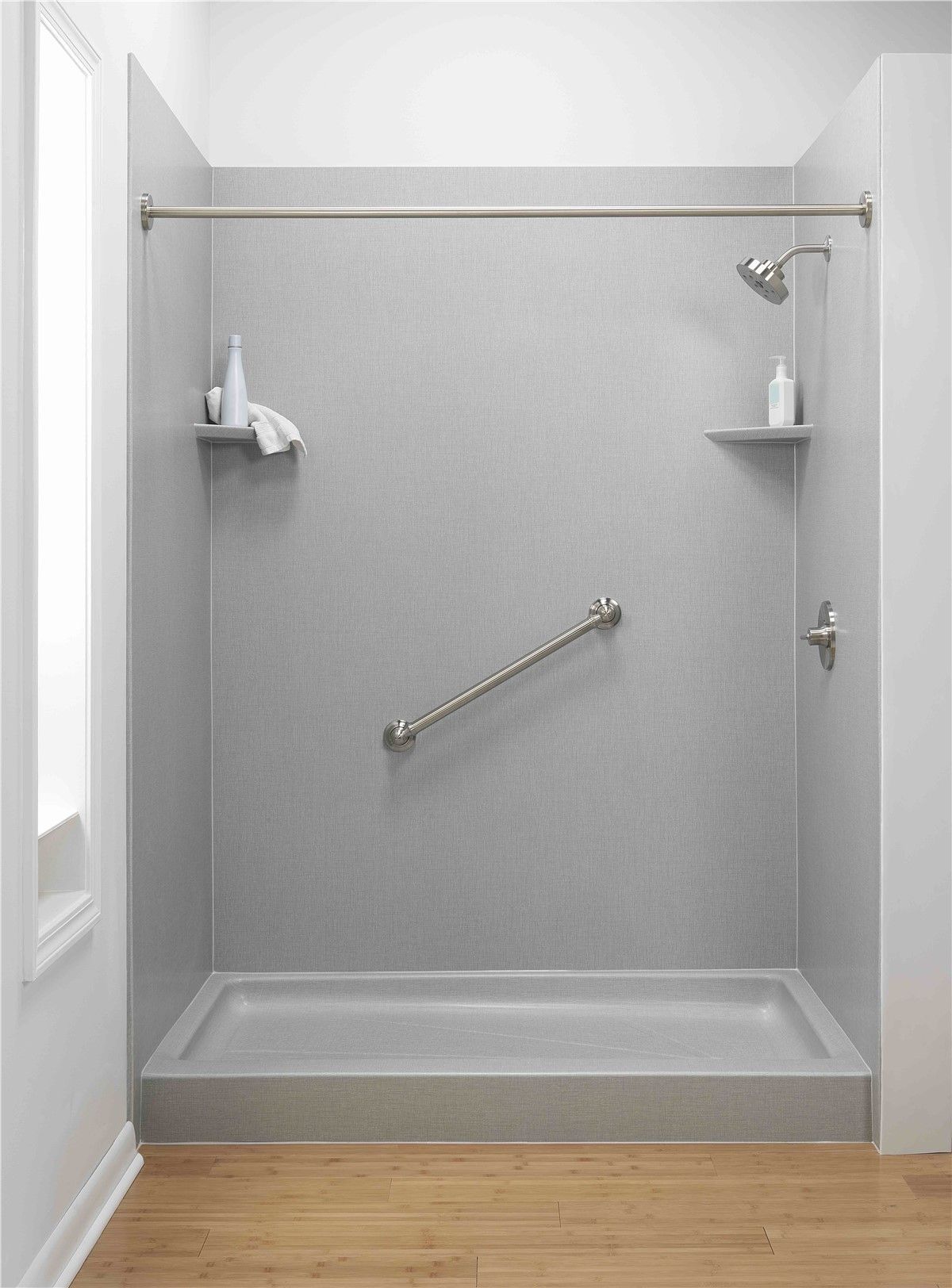
One of the biggest layout upgrades is changing a standard tub and shower combo to a low-threshold walk-in shower. When you remove the tall front wall of the tub, the room often feels wider right away. A walk-in shower can:
- Give you a flatter, easier entry with less lifting of the legs
- Create a clearer path from door to shower
- Open up sight lines so the room feels less cramped
You do not always need to move walls to get better flow. Some layout tweaks that work well in older New England homes include:
- Choosing a slightly shorter tub or shower length to gain a few inches of open floor by the toilet
- Swapping a swinging bathroom door for a pocket door or a barn-style door to free up space inside
- Selecting a smaller vanity or a rounded-front vanity to improve the turning circle and reduce sharp corners
These small changes can make it easier to move with a walker, cane, or just careful steps on tired winter legs, all without a full rebuild of the room.
Safer Tub and Shower Options That Actually Fit
A lot of people think safety tubs and walk-in showers only fit in big, modern bathrooms. That is not true. There are compact options made for small rooms like the ones we see all over New Hampshire and coastal New England.
Walk-in tubs for small bathrooms often come with:
- Inward-swinging doors that keep the footprint tight
- Built-in seats that let you sit at a safe height
- Low entry steps that reduce that big “leg swing” over an old tub wall
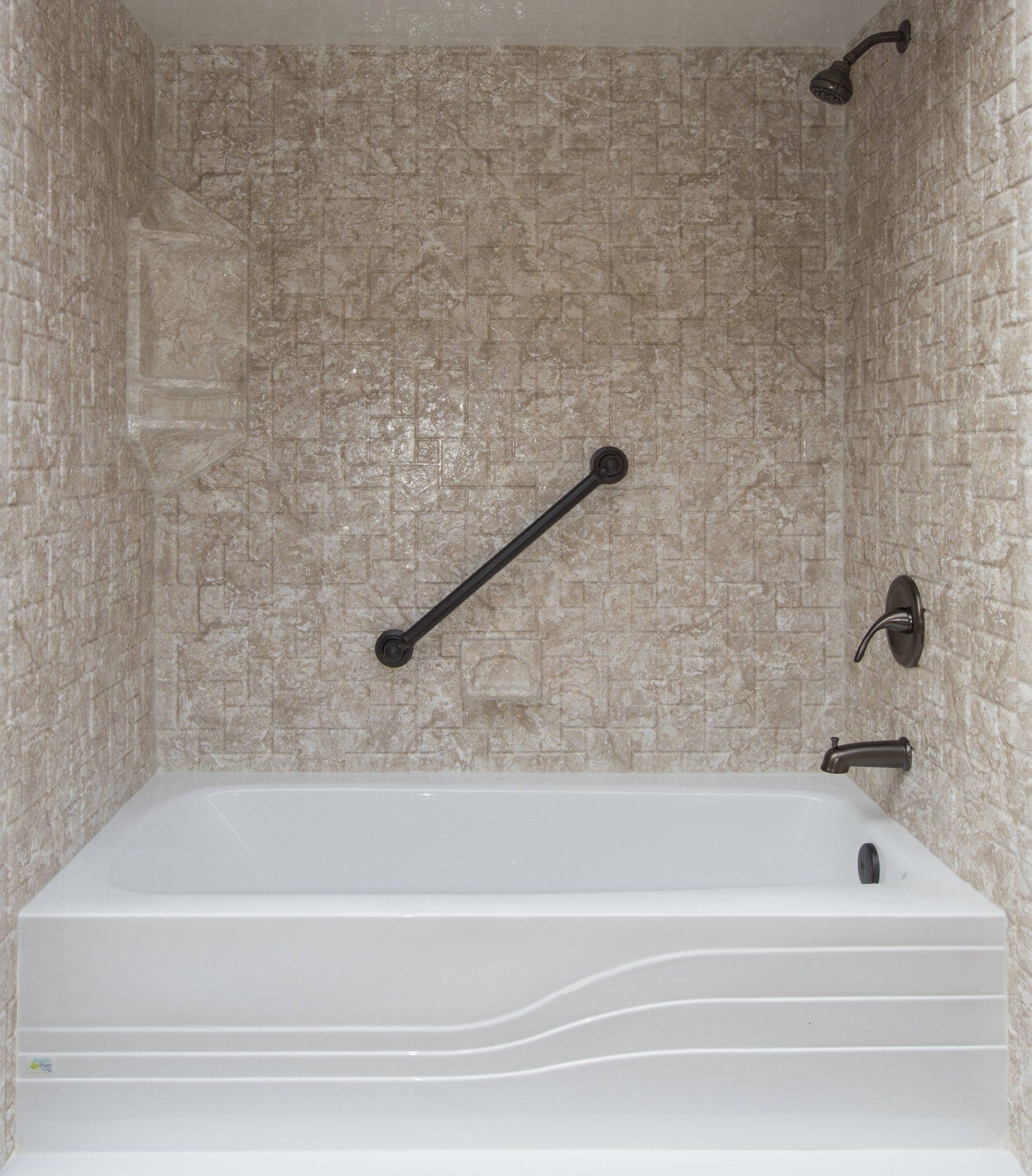
These features cut down on slip risks and strain without demanding a bigger bathroom. For many homes, a one-day bathtub replacement in New Hampshire is enough to swap in a safer tub style that fits right into the existing opening.
If you prefer showers, there are also:
- Low-step tubs with shallower fronts
- Barrier-free or very low-threshold shower bases
- Slip-resistant surfaces that give more grip underfoot
Even in tight layouts, you can integrate helpful safety features without making the room feel crowded. For example:
- Grab bars placed at natural hand heights near the entry, inside the shower, and by the toilet
- Built-in shower shelves or niches at easy reach so bending and stretching are limited
- Handheld showerheads on a slide bar so you can shower seated or standing
Careful placement keeps these features useful but out of the way, so the room still looks clean and open.
Smart Storage and Lighting That Prevent Falls
Clutter is one of the biggest hidden fall hazards in small bathrooms. When space is tight, it is tempting to stack things high or squeeze in extra storage anywhere. That can create bump points and awkward reaching.
Removing bulky over-the-toilet cabinets or high, deep shelves can actually make the room safer. Instead, think about storage that keeps things low, easy to see, and within reach:
- Recessed niches in the shower walls for shampoo and soap
- Slim vertical cabinets that tuck beside the vanity or door
- Corner shelves that make use of dead space without sticking out into walking paths
The goal is to keep bottles off the tub edge and towels off the floor, so you are not dodging clutter on a wet surface.
Lighting matters just as much. Long New England evenings and dark winter mornings make shadows stronger in small rooms. Upgrades that improve safety include:
- Brighter general lighting in the ceiling so the whole room is evenly lit
- A dedicated light over the shower area to cut down on dark corners
- Nightlights or motion-activated toe-kick lights by the vanity to guide sleepy trips to the bathroom
- Bulbs that give clear light without a harsh glare on shiny, wet tile
Good lighting helps everyone see water on the floor, changes in level, and where that tub edge actually starts.
Planning a One-Day Upgrade Before Next Winter
Spring is a smart time to think about a bathtub replacement in New Hampshire. The worst ice and snow are starting to fade, so you are not juggling a project during storms, and you can get safety upgrades in place before the next cold season makes balance and recovery from falls more difficult.
A simple planning checklist can help you decide what matters most in your bathroom:
- Measure the length, width, and ceiling height of your room, plus the current tub or shower opening
- Note every daily annoyance: high tub wall, slippery bottom, hard-to-reach faucet, dark corners
- List current pain points for anyone in the home: sore knees, unsteady steps, need for a seat, trouble lifting legs
- Decide what is most important: lower entry, more grab points, a seat, easier cleaning, or a wider turning area
From there, you can start to match your space and needs to options like a walk-in tub, a walk-in shower, or a tub-to-shower conversion. A professional consultation can help you see what is realistic in your existing footprint, how long the work will take, and what layout tweaks can be done without large-scale demolition.
Cloud 9 Tubs focuses on making these changes work inside the kinds of bathrooms common in New Hampshire, Southern Maine, and Northern Massachusetts, with projects that can often be completed in as little as one day. That way, you gain safety and comfort without giving up your bathroom for weeks.
Take the First Step Toward a Safer, Easier Bath
Waiting until someone slips or struggles to step over the tub makes bathroom changes feel stressful and rushed. Planning ahead, while everyone is still moving fairly well, gives you time to think through what will help most for aging in place, for visiting older relatives, or simply for getting through the next stretch of icy weather more comfortably.
A safer layout, the right tub or shower style, smarter storage, and better lighting can all fit inside the small footprint you already have. With thoughtful choices and help from local pros who understand New England homes, that tight bathroom can feel easier, safer, and more relaxing every single day.
Get Started With Your Project Today
If your current tub is outdated, damaged, or difficult to clean, we are ready to help you upgrade with professional
bathtub replacement in New Hampshire. At Cloud 9 Tubs, we walk you through every step, from design choices to installation, so you feel confident in every decision. Reach out today to discuss your goals, timeline, and budget, and we will provide a clear, no-pressure quote. If you are ready to talk details or schedule a consultation, please
contact us.
Blog