Choosing Between a Walk in Bathtub and a Roll in Shower
Make Your Bathroom Safer Before Next Winter
Safer bathing is one of the biggest parts of staying independent at home, especially as we get older. In New Hampshire, Southern Maine, and Northern Massachusetts, long, dark winters and icy walkways can make simple daily tasks feel harder and a bit more risky. When sidewalks are slippery and heating bills are high, the last thing you need is a slick, outdated bathtub that makes you nervous every time you step in.
Many homeowners in our area reach a point where they know the old tub has to go. Two of the most common options are a walk-in bathtub or a roll-in shower. Both aim to cut slip-and-fall risks and make bathing easier, but they do it in different ways. Here, we will compare both choices so you can think through your mobility, comfort, home layout, and long-term aging-in-place plans. That way, you can plan your spring or summer remodel and head into the next cold season with a safer, more comfortable bathroom.
How a Walk-in Bathtub Supports Aging in Place
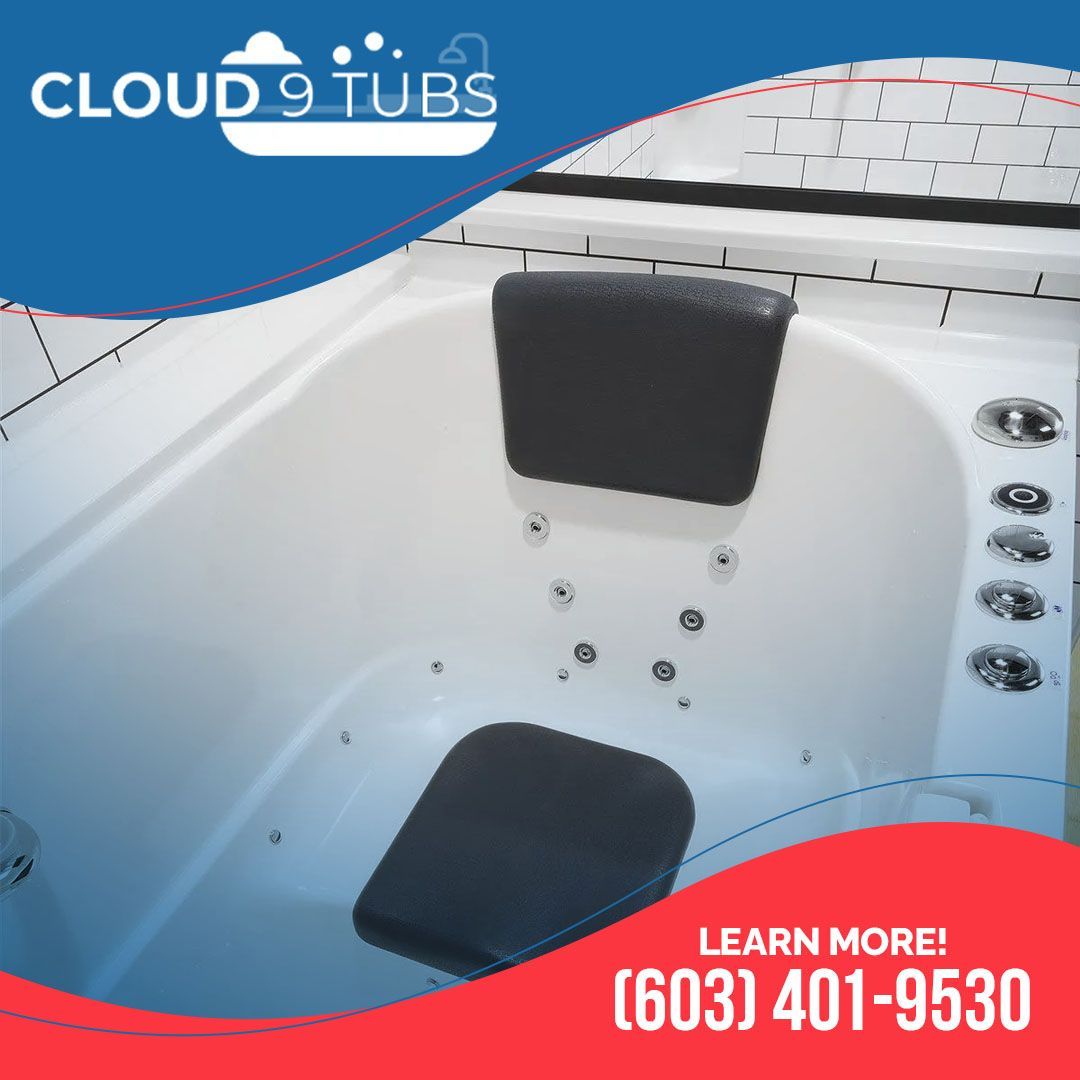
A walk-in bathtub is designed to make bathing safer and more comfortable for people who have trouble stepping over a tall tub wall. Instead of a big step, you get a low threshold and a watertight door so you can walk in, sit down, and close the door behind you. Most walk-in tubs also include:
- A built-in, chair-height seat
- Easy-to-reach controls
- Grab bars in key spots
- Slip-resistant flooring in the tub
These features can help if you have limited balance, stiff joints, or trouble standing for long periods. Sitting at a steady, comfortable height means less strain on your knees and hips. The grab bars give your hands something solid to hold while you sit or stand.
Many people also choose a walk-in bathtub for comfort. The deeper design lets you soak sore muscles and joints in warm water while staying upright. Some models offer hydrotherapy, with gentle jets that can help you relax tight areas and improve comfort around the back, hips, and legs. On cold New England nights, a warm, seated bath can feel much safer and more soothing than trying to stand in a slippery, shallow tub.
A walk-in bathtub tends to be a good fit for:
- Homeowners who prefer long, relaxing baths over quick showers
- People with a higher fall risk who want a stable, built-in seat
- Bathrooms with enough floor space for a full-size tub footprint
If you already have a traditional bathtub, a walk-in model often fits in the same general area, so you get safer access without losing the comfort of a soak.
Why Some Homeowners Prefer a Roll-in Shower
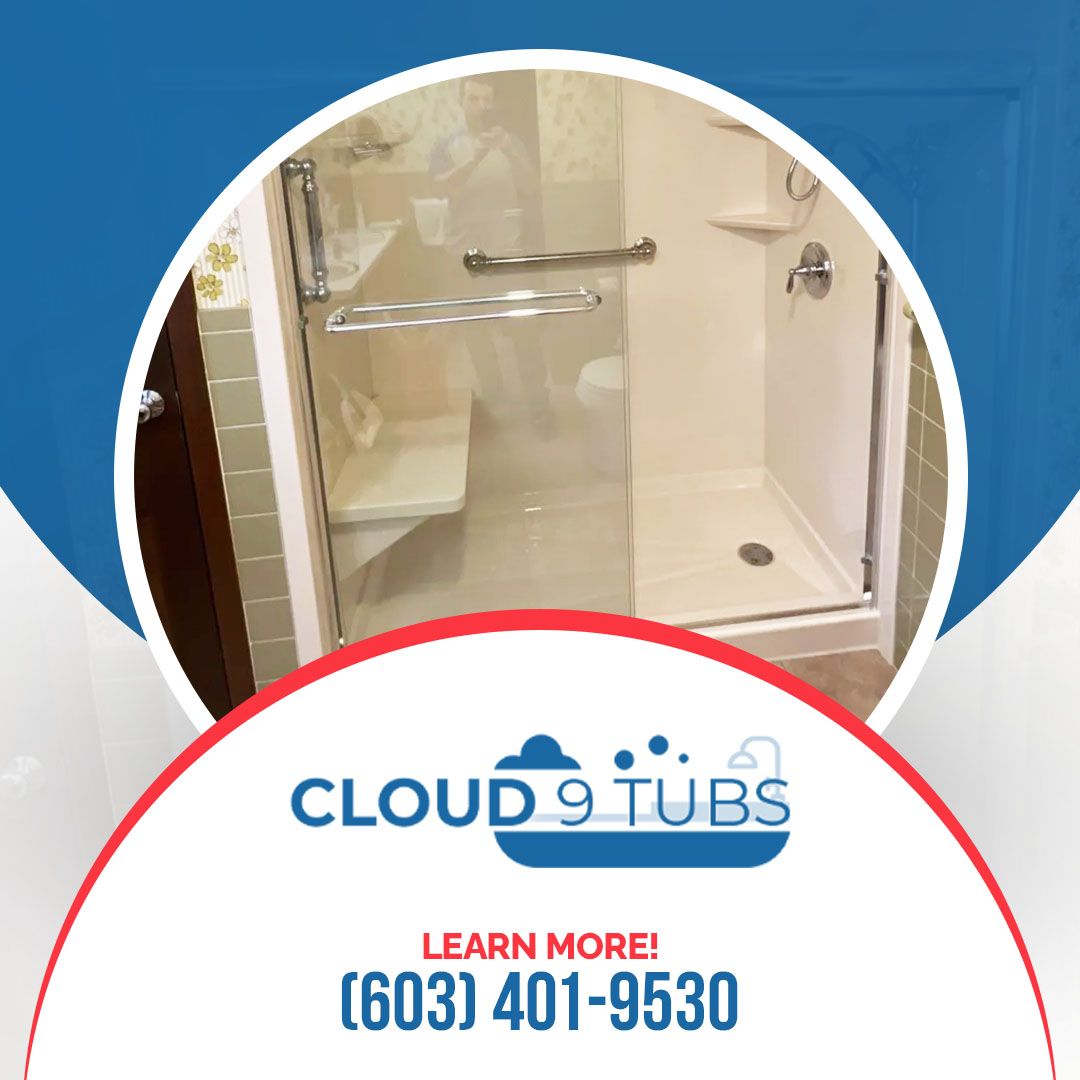
A roll-in shower, also called a curbless or barrier-free shower, removes the high step at the edge of a traditional tub or shower. The floor stays almost level, with a gentle slope toward the drain, so there is no big edge to climb over. This setup works well for walkers, wheelchairs, and anyone who needs help from a caregiver during bathing.
Because the entry is open, a roll-in shower can make a small or older bathroom feel larger. You can often use clear glass or simple panels, which lets more light into the space and gives it a clean, modern look. Many homeowners also like that an open, low-threshold shower is simple to clean, with fewer tight corners to scrub.
Roll-in showers are often helpful for:
- Aging homeowners who want to plan ahead for possible wheelchair use
- People who already prefer quick showers instead of baths
- Multi-generational homes where kids, adults, and seniors share one bathroom
From a style point of view, a roll-in shower can update an older home while quietly building in accessibility for the future. Families often appreciate that it feels like a regular shower, just easier and safer to enter.
Walk-in Bathtub vs. Roll-in Shower Cost and Maintenance
Both a walk-in bathtub and a roll-in shower are bigger projects than swapping out a shower curtain, and there are several things that can affect the overall investment. While we will not talk about exact prices, it helps to know what usually goes into each option.
Some common factors include:
- How much plumbing needs to move
- Whether walls or wall surrounds need to be replaced
- The type of materials used around the tub or shower
- Extra safety features like grab bars or seating
A walk-in bathtub often fits where your old tub sits, which can limit changes to the layout. A roll-in shower might need more floor work to create a level entry and proper drainage. In both cases, choosing low-maintenance surfaces can make life easier later.
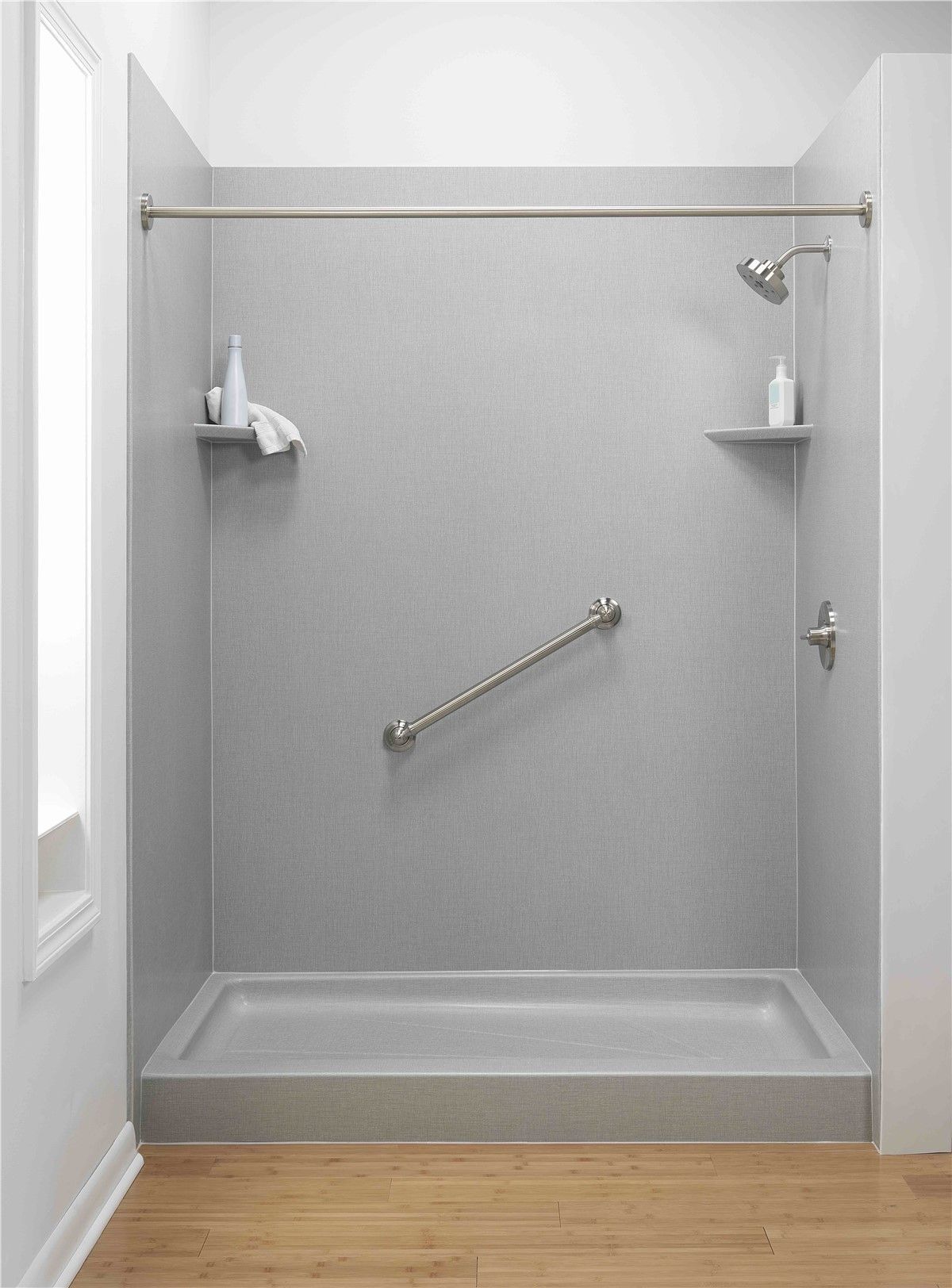
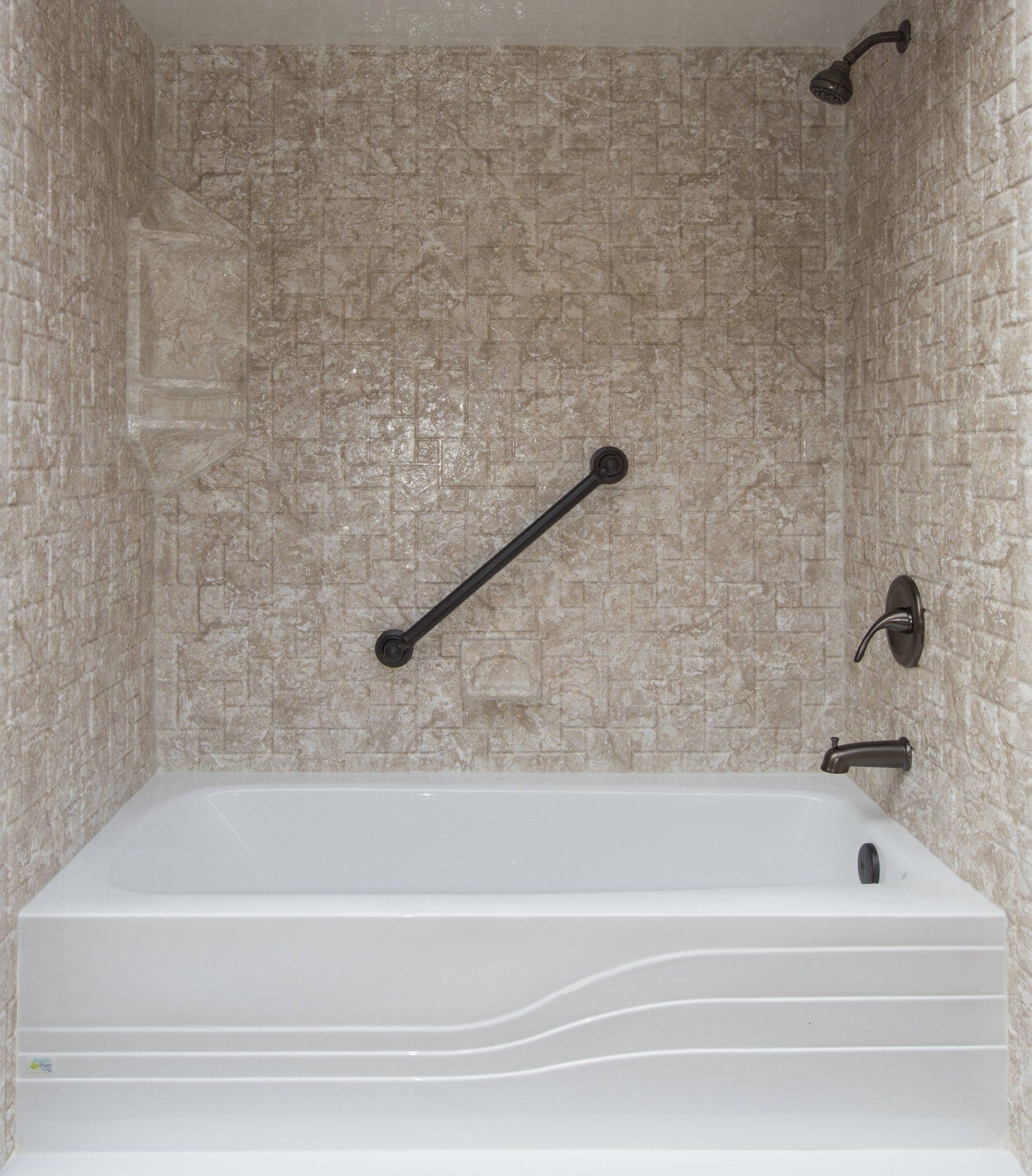
When it comes to upkeep, most homeowners want less scrubbing and fewer worries about mold. Solid-surface or acrylic surrounds with minimal grout lines are a smart choice for both tubs and showers. They help resist stains, cut down on places where soap scum can build up, and are simple to wipe down.
Over time, a well-designed accessible bathroom can be a strong point for aging in place. In our region, where there is a lot of older housing, an updated, easy-entry tub or shower can also appeal to future buyers who care about safety, even if they do not need it right away.
How to Decide What Works Best in Your Home
Choosing between a walk-in bathtub and a roll-in shower starts with your real, everyday needs. A simple way to think about it is to look at:
- Your current mobility and balance
- Your risk of falls or history of slips
- Whether you prefer bathing or showering
- The size and layout of your bathroom
- Whether a wheelchair or caregiver may be part of your future
If sitting and soaking brings you comfort and you like the idea of a deep, warm bath, a walk-in bathtub may fit better. If you mostly shower and want an open space that can handle a walker or wheelchair, a roll-in shower might be the better choice.
Before you move ahead with any remodel, it helps to:
- Measure your current tub or shower space
- Check doorway widths to see how wide new fixtures can be
- Think about your water heater capacity if you are leaning toward a large walk-in tub
We also strongly suggest a professional in-home assessment. A bathroom safety specialist can look at your space, talk with you about your health and comfort needs, and recommend the best path forward. Sometimes the smartest option is a tub-to-shower conversion with added grab bars and slip-resistant flooring. Other times, a walk-in tub with a shower wand and sturdy seating works best. Having someone who works with these projects every day can keep you from missing small but important details.
Take the Next Step Toward a Safer Bathroom This Year
Planning ahead in spring or summer gives you time to think, choose, and schedule work so your new walk-in bathtub or roll-in shower is in place before icy weather and early sunsets return. When bathing feels safe and easy, winter days at home are much less stressful. It is not only about comfort right now; it is about staying in the home you love for as long as you can.
At Cloud 9 Tubs, we focus on fast, custom bathroom updates for homeowners in New Hampshire, Southern Maine, and Northern Massachusetts. We use low-maintenance materials and safety-focused designs to help you feel confident every time you step into your tub or shower. Whether you choose a walk-in bathtub or a roll-in shower, the right design can support your independence and peace of mind for years to come.
Get Started With Your Project Today
If you are ready to improve safety, comfort, and independence at home, we can help you choose and install the right
walk-in bathtub for your needs. At Cloud 9 Tubs, we listen carefully to your goals and walk you through every step, from design options to installation. Reach out today to discuss your bathroom, get answers to your questions, or request a tailored quote through our
contact us page.
Blog