Planning Your Fall Prevention Bathroom in Merrimack, NH: A Wet-Area Safety Guide
Bathrooms pose the highest risk of falls in any home, particularly in wet areas where slips happen most frequently. Planning your fall prevention bathroom in Merrimack, NH, begins with assessing your current shower and tub area, identifying hazards like high thresholds and slippery surfaces, and understanding which modifications will make the biggest impact on daily safety. The wet areas of your bathroom require immediate attention when planning for long-term independence and mobility.
Many Merrimack homeowners recognize the need for safer bathing spaces but feel uncertain about where to begin. By focusing on the wet areas first and understanding your options for safe bathroom modifications in Merrimack, NH, you can create a space that supports your needs today while preparing for the future. At
Cloud 9 Tubs LLC, we help families plan and execute wet-area upgrades that prioritize both safety and style.

Why the Wet Area Is the Highest Fall Risk
Slippery Surfaces Inside Tubs and Showers
The combination of water, soap, and smooth surfaces creates the most dangerous conditions in any bathroom. Traditional tubs and showers feature porcelain, fiberglass, or tile that becomes slick when wet. Soap residue builds layers over time that further reduce traction. Even with careful cleaning, these surfaces remain slippery during use, leaving your feet without the grip needed to maintain stable footing.
Older tub and shower materials develop a worn finish that compounds the problem. Years of use can polish surfaces more smoothly, eliminating any texture that once provided minimal grip. Water beads on these aged surfaces rather than draining away, creating pools that increase slip risk.
Stepping Over Tub Walls
The act of stepping over a tub wall represents one of the most dangerous moments in bathing. Standard tubs sit 14-16 inches off the floor, requiring you to lift your leg high while balancing on one foot. This movement demands strength, flexibility, and balance that naturally decline with age. You must maintain stability while transferring your weight from outside the tub to inside, often on a wet, slippery surface.
The challenge multiplies when exiting. After bathing, your body is wet, your muscles are relaxed, and your surfaces are soaked. Many falls occur at this exact moment when wet skin meets reduced traction on slippery surfaces.
Limited Space and Awkward Movement
Standard tubs and showers offer minimal interior space for maneuvering. The confined area restricts your ability to maintain a stable stance. Reaching for shampoo, adjusting water temperature, or washing your feet requires awkward positions that compromise balance. You may need to twist, bend, or stretch in ways that feel unstable, particularly on slippery surfaces.
How Water Exposure Increases Risk
Water exposure affects every surface in the bathing area. Steam condenses on walls, floors, and fixtures, creating moisture beyond the shower spray. This condensation spreads the slippery zone throughout the bathroom. Floors outside the tub become wet from drips and splashes, while humidity makes towels damp and reduces the grip of bath mats.
Temperature changes from hot water relax muscles and can cause lightheadedness. Your body's response to heat affects coordination and reaction time. Combine this physiological effect with wet surfaces, and you face compounded risks.
Understanding Wet-Area Safety Modifications
What Qualifies as a Wet-Area Safety Upgrade
True wet-area safety upgrades address the root causes of falls rather than masking symptoms. These modifications focus on eliminating high thresholds, providing slip-resistant surfaces, and incorporating support features where you naturally need them. A safety upgrade changes how you interact with the space, removing hazards rather than asking you to work around them.
Qualified upgrades meet your current needs while anticipating future requirements. They account for progressive mobility changes that come with aging. The modifications should function effectively whether you're using them independently or require some assistance.
Why Replacing, Not Patching, Improves Safety
Attempting to patch existing hazards rarely produces lasting safety improvements.
- Adhesive grab bars lack the structural integrity of properly anchored supports.
- Stick-on non-slip treads peel away from moisture exposure.
These temporary fixes can create false confidence that leads to greater risk. When these patches fail, they often do so at the worst possible moment.
Replacement allows you to start with properly designed systems built for safety from the foundation up. Modern wet-area materials incorporate slip resistance directly into their composition rather than relying on surface treatments. Installation methods anchor supports into wall studs rather than surface-mounting them.
How Modern Wet-Area Systems Reduce Long-Term Risk
Contemporary wet-area systems use materials engineered specifically for aging-in-place safety. Acrylic surfaces from manufacturers like Bath Concepts feature molded-in texture that provides consistent slip resistance throughout the product's lifetime. The non-porous material prevents the biofilm growth that makes older surfaces slippery.
Modern designs eliminate the grout lines where mildew develops. Single-piece construction removes seams and joints that trap water and soap. The streamlined surfaces shed water efficiently, reducing standing moisture that contributes to slips.
Mobility-Friendly Shower Installation
What Makes a Shower Safer to Enter and Exit
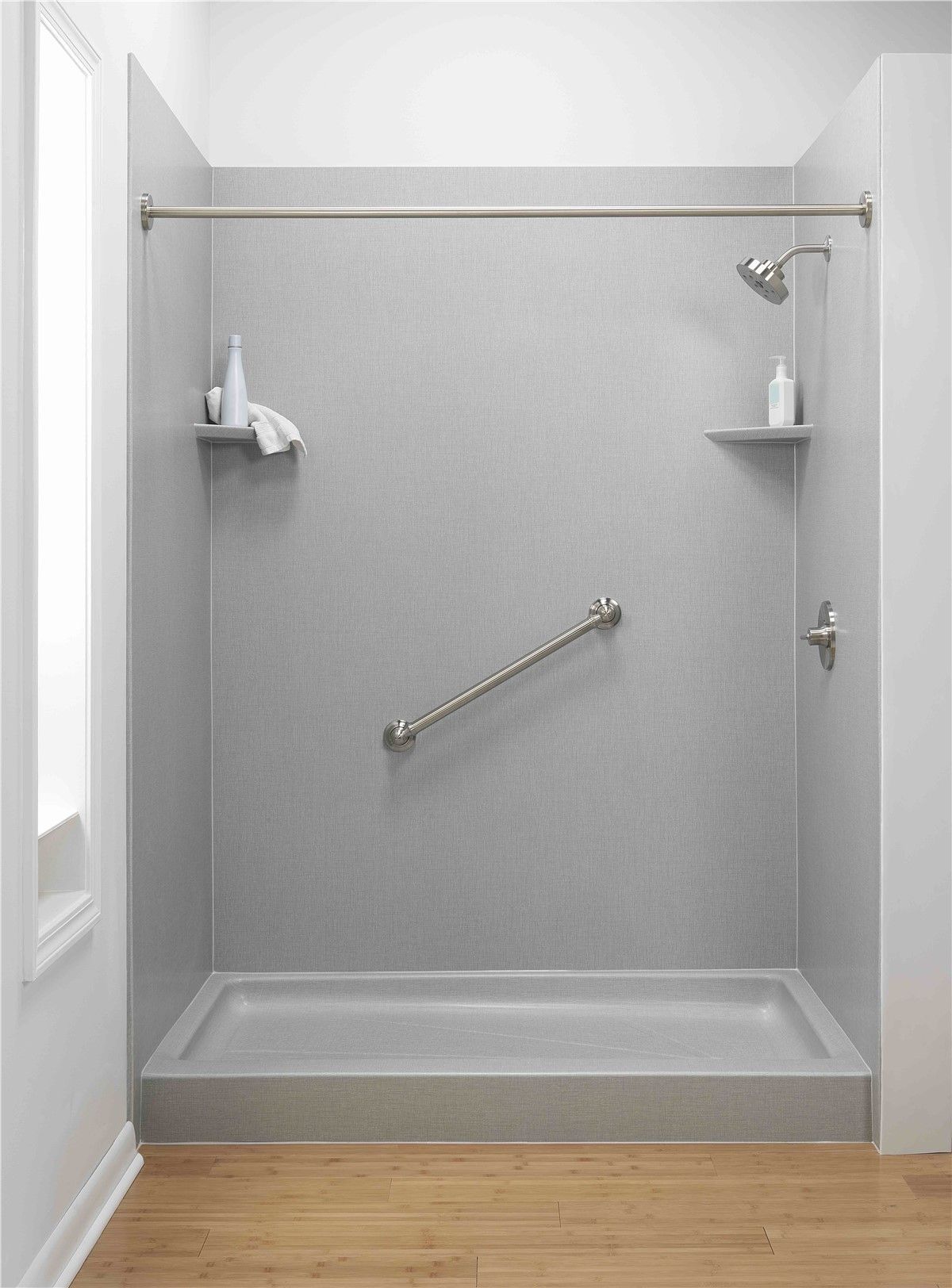
Walk-in showers eliminate the primary barrier to safe bathing by removing high thresholds. Instead of navigating a 14-16 inch tub wall, you simply walk into the shower space. This fundamental design change addresses the root cause of entry and exit falls. You maintain your normal walking pattern, using both legs for support rather than balancing precariously on one foot while lifting your leg high.
Width matters as much as height. The entry point should accommodate your natural stride without requiring you to turn sideways or compress your movement. Adequate width allows space for walkers or wheelchairs if needed in the future.
The open design also improves visibility. You can see the entire shower floor before entering, identifying any water or soap that might pose a risk. The unobstructed view helps you plan your movements confidently.
Low-Entry and Barrier-Free Shower Designs
Threshold Height Matters
Every inch of threshold height adds difficulty and risk. A four-inch curb presents far less challenge than a fourteen-inch tub wall, but it still requires lifting your foot while transferring weight. A two-inch threshold further reduces this demand. A completely barrier-free design eliminates it entirely. The difference might seem small, but for someone with arthritis, knee problems, or balance issues, those inches determine whether bathing feels manageable or frightening.
Threshold height also affects assistive device compatibility. Walkers cannot cross even low curbs easily. Wheelchairs require zero-threshold entries. Planning for these potential needs now prevents future modifications.
Options for Different Bathroom Layouts
Small bathrooms benefit from corner shower installations that maximize floor space while minimizing threshold length. Corner designs also create natural bracing points with two walls meeting at the entry. Larger bathrooms can accommodate expansive walk-in showers that feel like dedicated bathing rooms, using a floor slope across a wider area to manage water without any curb.
Bathrooms with existing alcove tub spaces adapt perfectly to walk-in shower conversions. The three-wall enclosure already exists, requiring only the removal of the old tub and installation of a properly sloped shower base.
Slip-Resistant Shower Floors
Textured Flooring Options
Modern acrylic shower floors incorporate texture directly into the material during manufacturing. These patterns provide a reliable grip when wet without feeling harsh underfoot. The texture remains consistent across the entire surface, eliminating smooth spots where slips could occur. Unlike surface treatments that wear away, molded texture lasts as long as the floor itself.
Texture patterns vary from subtle stippling to more pronounced geometric designs. The appropriate choice depends on your mobility needs and sensitivity. More aggressive textures provide maximum slip resistance for those with balance concerns.
How Proper Slope Improves Drainage
The shower floor slope serves two safety functions. The shower floor slope serves two safety functions. It directs water toward the drain, preventing the pooling that creates slip hazards. Water that flows away continuously leaves surfaces less slippery than standing water. Proper slope also eliminates the need for high curbs, as the grade difference between the shower floor and bathroom floor manages water without requiring a tall barrier to step over.
Professional installation maintains the correct slope throughout the shower base. The proper grade provides effective drainage while maintaining a comfortable standing surface.
Built-In Wet-Area Safety Features
Grab Bars Anchored Into Walls
Proper grab bar installation anchors support directly into wall studs or uses specialized blocking installed during shower construction. These mounting methods provide bars capable of supporting your full body weight in any direction. The solid installation means you can grab confidently without worrying whether the bar will hold.
Placement determines effectiveness. Bars positioned where you naturally reach during bathing provide instinctive support. Common locations include near the shower entry, along the side wall at waist height, and near any built-in seating.
Integrated Seating
Built-in shower seats eliminate the need to stand throughout your entire bathing routine. The seating provides a stable platform that won't shift or tip like portable shower chairs. Integration into the shower design provides proper height, depth, and positioning for comfortable, safe use.
Handheld Showerheads
Handheld showerheads provide control and flexibility that fixed heads cannot match. You direct the water spray exactly where needed without contorting your body. This control becomes particularly valuable when seated, as you can reach all areas comfortably. The adjustable positioning reduces the awkward movements that compromise balance.
These combined features represent what a truemobility-friendly shower installation delivers - layered safety that works together to create a bathing space you can use confidently for years to come.
Bathtub Wet-Area Upgrades for Fall Prevention
Some Merrimack homeowners prefer retaining a tub for practical or personal reasons. Young families need tubs for bathing children. Some individuals find therapeutic benefit in soaking. Others simply prefer baths to showers. These valid preferences don't require sacrificing safety when you select appropriate tub designs.
Tub replacement makes sense when your current unit shows wear or damage. Cracked surfaces, failing drain systems, or persistent mildew indicate the tub has reached the end of its functional life.
Safer Tub Surfaces and Designs
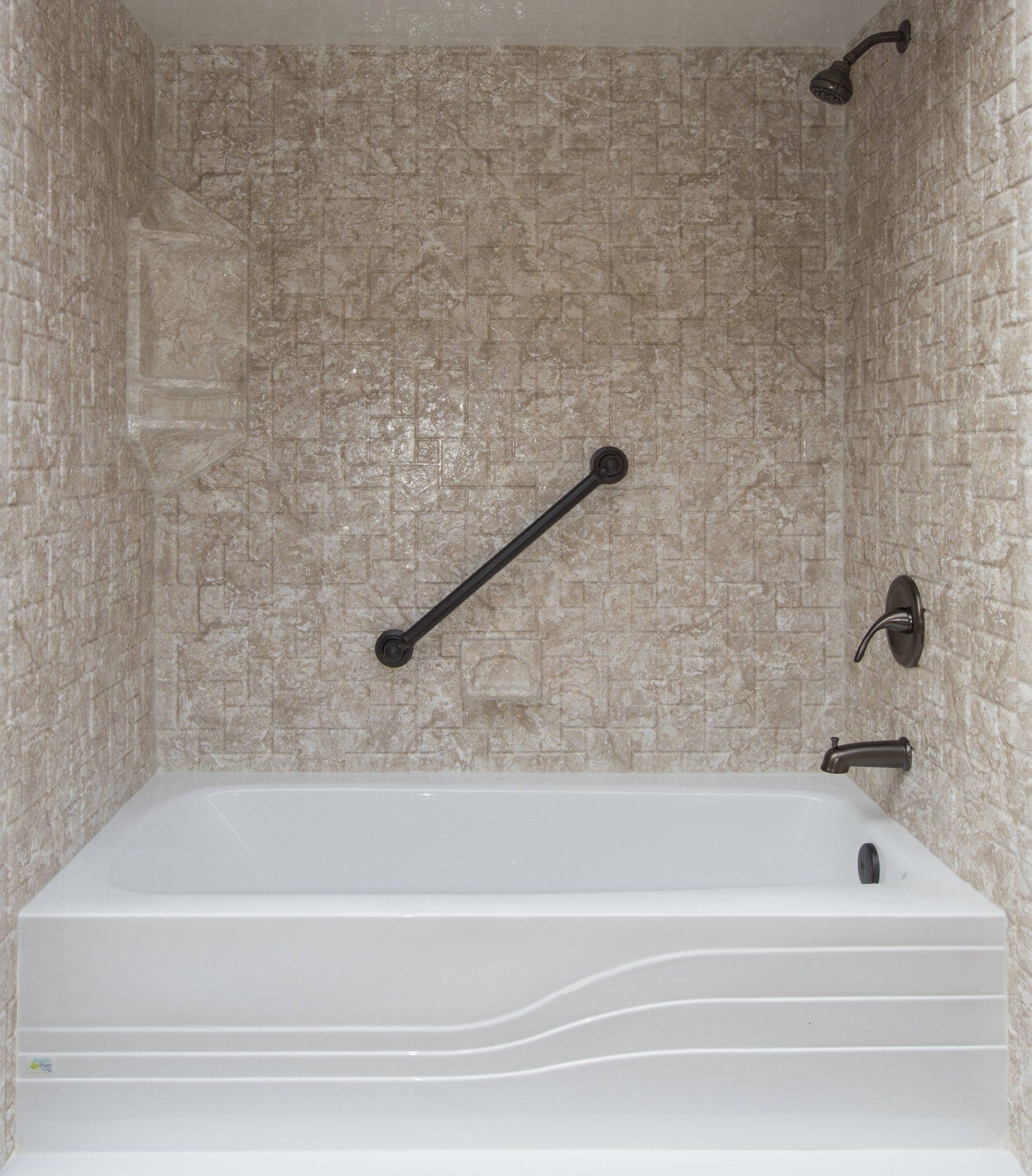
Modern bathtubs incorporate slip-resistant floors similar to those in walk-in showers. The textured surface provides a secure footing throughout the tub bottom. High-quality acrylic construction prevents the surface deterioration that makes older tubs slippery. The consistent texture maintains its effectiveness throughout the product's lifetime.
Contoured designs with built-in back support help maintain stable positioning while bathing. Slightly raised seats reduce the distance you must lower yourself to sit, making entry and exit easier.
Walk-In Tub Considerations for Wet-Area Safety
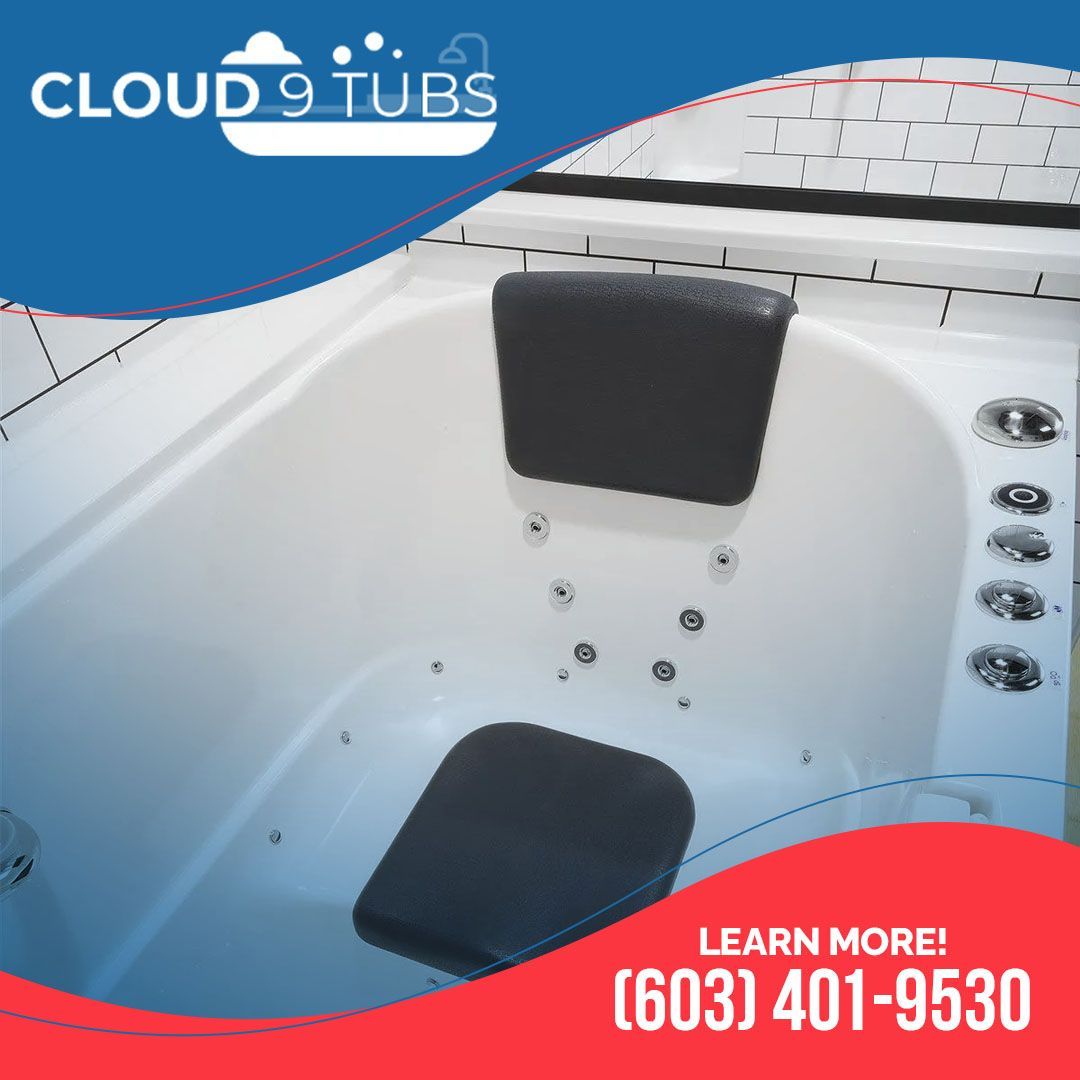
Walk-in tubs feature a door that opens to allow entry at floor level. You step over a threshold typically four to six inches high, rather than the standard fourteen to sixteen inches. This reduced height makes entry and exit far safer and easier. The door seals watertight when closed, containing water during bathing.
Built-in seating positions you securely at a comfortable height. You sit while the tub fills and drains rather than climbing in and out of standing water. Textured floors provide a stable footing during the brief standing period.
Assessing Your Bathroom for Fall Prevention Upgrades
How to Assess Wet-Area Risks
Begin your assessment by walking through your entire bathing routine slowly. As you move through each step, pay attention to the following:
- Stability points: Note every moment where you feel unstable or need to reach for support.
- Threshold heights: Document the height of any barriers you must step over.
- Surface traction: Observe how slippery floors and tub bottoms feel when wet.
- Water drainage: Identify areas where water pools or drains slowly.
- Balance challenges: Observe positions where you feel unsteady or off-balance
Also consider near-miss incidents you may have experienced. That moment when you caught yourself on the towel bar, or when your foot slipped slightly getting out of the shower. These events indicate genuine risks that will likely recur.
Why Professional Evaluation Matters
Professional evaluators bring experience from numerous similar assessments. They recognize risks you might overlook because you've adapted to work around them. Their trained perspective identifies hazards that feel normal to you simply because they've always been present. This outside view often reveals issues that have gradually worsened without your noticing.
According to the Centers for Disease Control and Prevention (CDC), approximately 235,000 people over age 15 are treated in emergency departments annually forbathroom-related injuries. Professional evaluation helps you address these risks before they result in injury.
At Cloud 9 Tubs, our owner personally conducts every in-home evaluation. This hands-on approach provides a personalized assessment rather than a one-size-fits-all solution. The consultation examines your specific bathroom layout, your mobility needs, and your preferences to recommend the modifications that will serve you best.
How Focused Wet-Area Upgrades Avoid Full Remodels
Concentrating on wet-area safety allows you to achieve meaningful improvements without a complete bathroom renovation. The tub or shower area represents the highest risk zone; addressing it delivers maximum safety benefit. Other bathroom elements may need minor updates for consistency, but the wet area receives the primary focus.
Targeted upgrades also preserve elements that still function well. You might keep existing vanities, toilets, and flooring while replacing only the bathing area. This selective approach delivers the safety improvements you need most while the new shower or tub becomes the focal point.
Cloud 9 Tubs: Your Partner for Safe Bathroom Modifications in Merrimack, NH
Our company specializes exclusively in tub and shower solutions throughout New Hampshire. This focused expertise means we've solved virtually every bathroom configuration and challenge Merrimack homes present. Unlike general contractors who handle all types of projects, we concentrate solely on wet-area safety and accessibility.
Why Merrimack Homeowners Choose Us for Fall Prevention Bathroom Projects
- Award-Winning Service: 2025 Angi Super Service Award winner, recognized for customer satisfaction through verified homeowner reviews.
- Owner-Direct Consultation: Work directly with the owner, not commissioned salespeople, who provide honest education and straightforward recommendations.
- Price Protection: We honor our price quotes for one full year, giving you time to make decisions without pressure.
- Lifetime Warranty: Complete coverage on both materials and labor. We stand behind every installation permanently.
- USA-Made Quality: Acrylic products from Bath Concepts that won't crack, peel, or fade throughout your home's lifetime.
- One-Day Installation: Remove your old tub or shower and install your new system in typically just one day.
This combination of specialized expertise, quality products, and personalized service is how Cloud 9 Tubs deliverssafe bathroom modifications in Merrimack, NH that protect your independence for years to come.

Transform Your Wet Areas Into Safer Spaces
Planning your fall prevention bathroom in Merrimack, NH, starts with recognizing that wet areas present your highest fall risks. The combination of slippery surfaces, high thresholds, and awkward movements creates dangerous conditions that worsen as mobility naturally declines.
Safe bathroom modifications focus on replacing hazardous features rather than patching them temporarily. These permanent solutions address root causes rather than masking symptoms, providing lasting protection.
If you're ready to explore wet-area safety upgrades, Cloud 9 Tubs invites you to schedule a free in-home consultation. We'll assess your current setup, discuss your needs and goals, and provide clear recommendations that fit your home and situation. Our approach is educational and pressure-free.
Contact Cloud 9 Tubs today at
(603) 401-9530 or email us at
info@cloud9tubs.com to begin planning your wet-area upgrades. Let us show you how quickly your Merrimack bathroom can become safer and more accessible. Your peace of mind is worth the call.
Blog