Enhancing Accessibility: The Complete Guide to ADA Showers and Baths
When it comes to home renovations, especially bathrooms, accessibility can significantly enhance the quality of life for individuals with limited mobility or physical disabilities. ADA-compliant showers and baths aren't just a regulatory requirement in many public and commercial spaces; they are a thoughtful addition to any home looking to accommodate all family members regardless of their mobility levels.
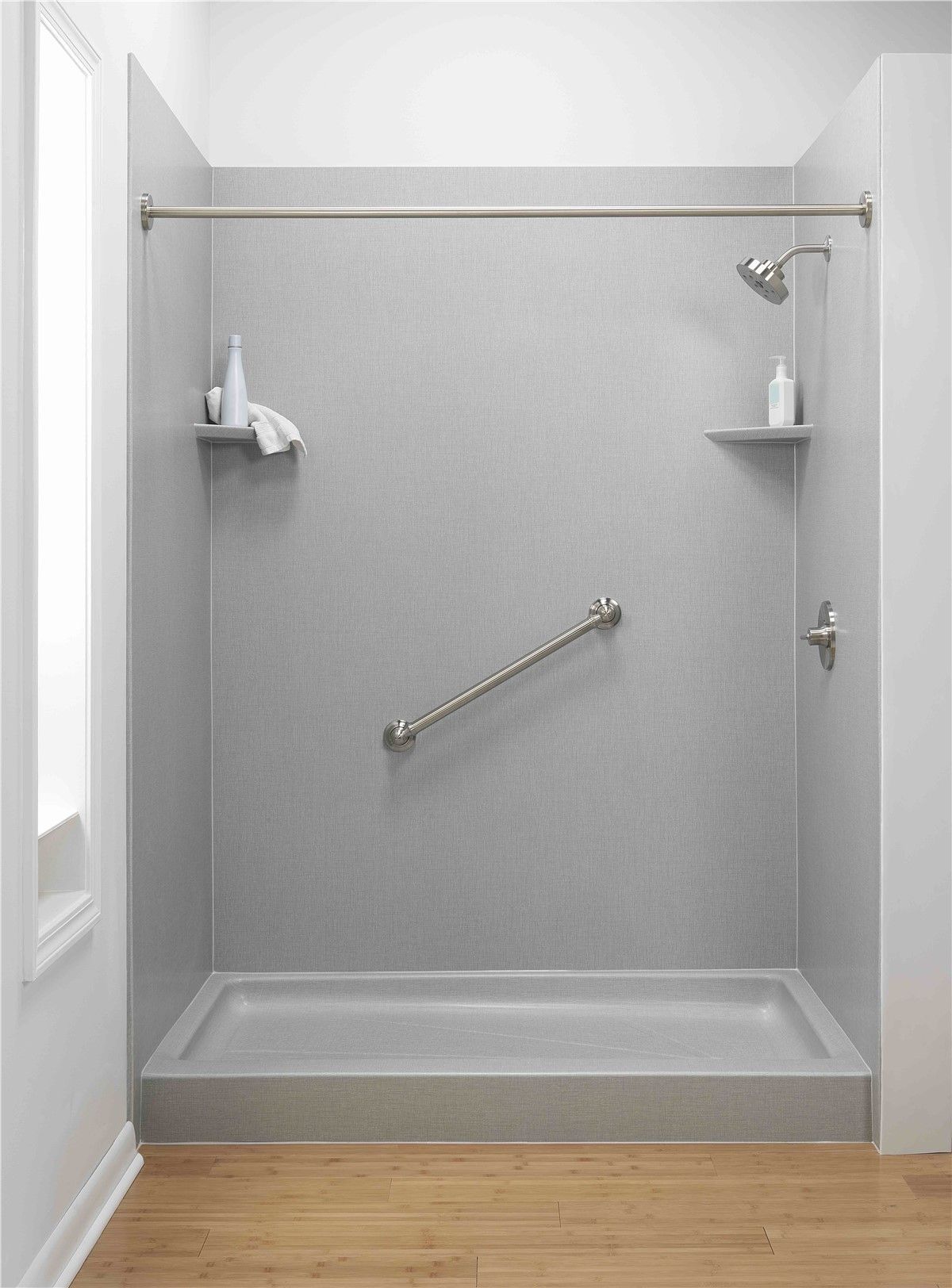
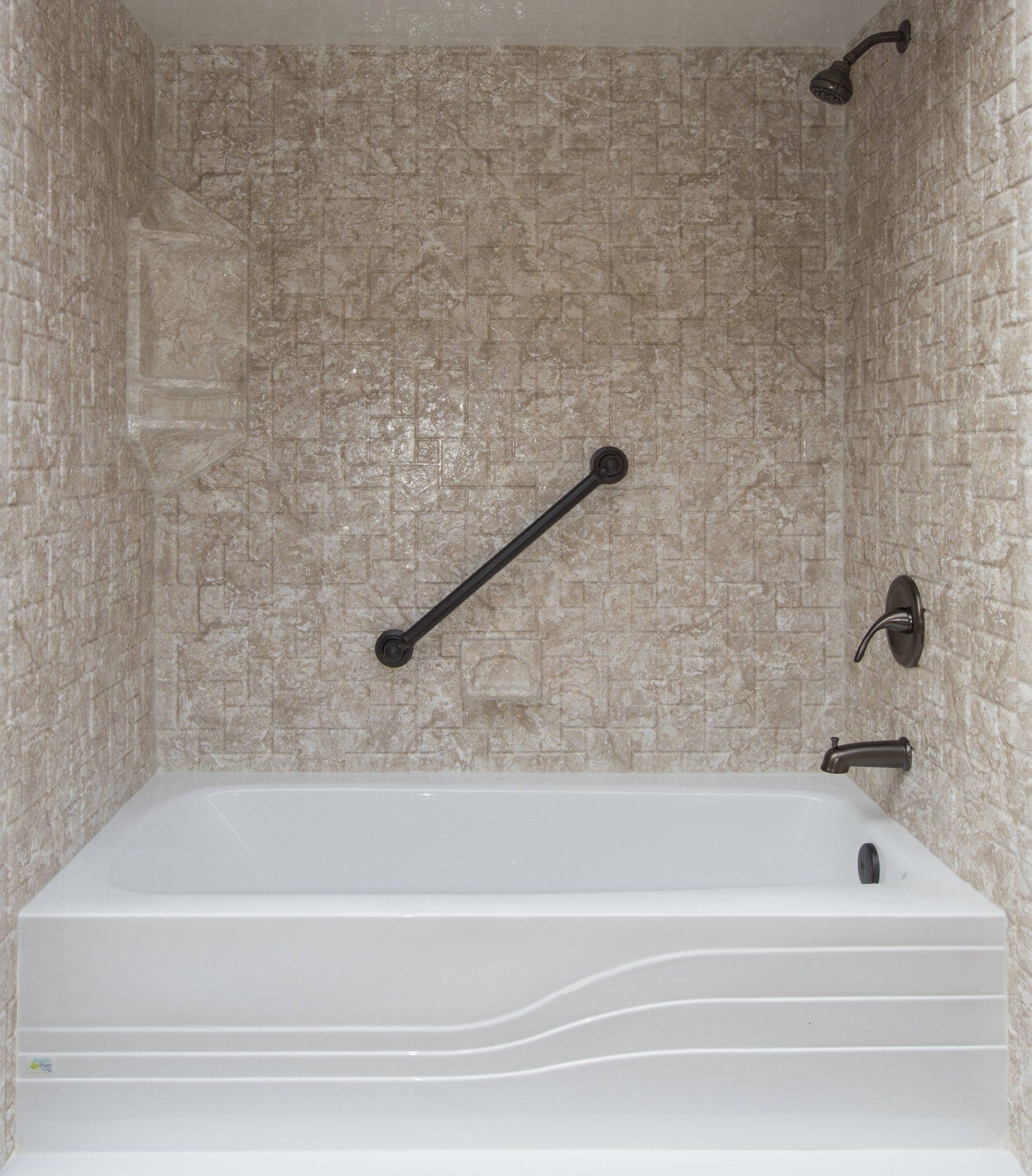
ADA (Americans with Disabilities Act) guidelines help ensure that showers and baths are accessible and safe for everyone. These guidelines dictate specific dimensions and features that make bathrooms more user-friendly for those with disabilities. For instance, ADA showers are designed to allow easy wheelchair access and typically include features such as grab bars, non-slip floors, and seat options. Similarly, ADA-compliant bathtubs often have low thresholds, wide doors, and controls that are easy to reach from a seated position.
Investing in ADA-compliant bathroom fixtures is not only about meeting legal requirements; it’s about creating a space where everyone can feel safe and independent. The freedom to bathe independently can significantly impact a person's sense of dignity and autonomy. Plus, these features can be stylishly integrated into any bathroom design, ensuring that functionality doesn't come at the expense of aesthetics. This approach not only improves the usability of the bathroom for individuals with disabilities but also adds value to your home, making it a more attractive option for future buyers who might also appreciate these accessible features.
Choosing the Right ADA Showers and Baths for Your Home
Selecting the perfect ADA-compliant shower or bathtub for your home involves more than just adhering to regulations; it's about matching your specific needs and the overall style of your bathroom. Here’s how you can choose the right fixtures that combine functionality, safety, and aesthetics seamlessly.
1. Space and Layout Considerations
Before diving into the types of ADA-compliant fixtures, evaluate the available space in your bathroom. Wheelchair-accessible showers, for instance, require enough space for a 60-inch turning radius to accommodate a wheelchair comfortably. If space is limited, consider a tub-to-shower conversion which can free up some room while enhancing accessibility.
2. Safety Features
Safety is paramount in an ADA-compliant bathroom. Look for showers and baths that come equipped with built-in safety features like anti-scald valves, which prevent water temperature from reaching a dangerous level, and pressure-balanced valves to maintain steady water pressure. Grab bars are a must; they should be sturdy and strategically placed to assist with transitions in and out of the bath or shower.
3. Comfort and Ease of Use
Comfort should not be overlooked. For showers, consider a handheld showerhead that can be easily used while seated, and for baths, look for models that include built-in seats or allow for the easy addition of a bath seat. Also, pay attention to the height and placement of controls and faucets to ensure they can be reached comfortably from a seated position.
4. Aesthetic Integration
Modern ADA-compliant bathrooms are designed to be as stylish as they are functional. Manufacturers now offer a range of materials and finishes that can complement any bathroom décor. From sleek, minimalist designs to more classic looks, you can find ADA showers and baths that enhance your bathroom’s appearance while maintaining the necessary accessibility features.
Choosing the right ADA-compliant shower and bath not only ensures safety and comfort for all users but also can transform a bathroom into a more welcoming and inclusive space. By focusing on these key aspects, you can create a bathroom that truly meets the needs of every family member, adding both functionality and value to your home.
Installation Tips for ADA Showers and Baths
Installing ADA-compliant showers and baths can be a significant project that requires meticulous planning and precise execution. Whether you're remodeling an existing bathroom or constructing a new one, here are some essential tips to ensure your installation meets ADA standards and functions perfectly for those who need it.
1. Professional Assistance
While some home improvement enthusiasts might be tempted to tackle bathroom renovations on their own, installing ADA-compliant fixtures often requires professional expertise. A licensed contractor who has experience with ADA specifications can help ensure that every aspect of your bathroom meets the necessary standards for accessibility and safety. They can also foresee and resolve potential challenges that may not be obvious to the untrained eye.
2. Adherence to ADA Guidelines
It’s crucial to follow ADA guidelines closely during installation. This includes ensuring the correct placement and height of grab bars, the proper width and depth of shower spaces, and the installation of zero-threshold entryways for showers. Non-compliance not only defeats the purpose of having an accessible bathroom but may also lead to legal issues if the bathroom is in a public or commercial setting.
3. Choosing the Right Materials
The materials used in your ADA bathroom should promote safety and durability. Slip-resistant flooring is a must, as it can significantly reduce the risk of falls. When selecting tiles, opt for ones with a textured surface or install a slip-resistant coating over smoother tiles. For showers and baths, non-porous materials like acrylic and fiberglass are excellent choices as they are easier to clean and maintain.
4. Thoughtful Design Elements
Consider the broader design elements that can affect functionality and accessibility. For instance, ensure that the bathroom door opens outward instead of inward, which can make it easier for a person in a wheelchair to close the door from inside. Additionally, consider the placement of sinks and vanities to ensure they are accessible, and provide enough clearance for a wheelchair or a walker.
By paying close attention to these installation tips, you can create an ADA-compliant bathroom that not only meets all legal requirements but also provides a safe, comfortable, and stylish space for all users. This careful approach to installation can help avoid common pitfalls and ensure that your bathroom will be a functional and cherished part of your home for years to come.
Maintenance and Care for ADA Showers and Baths
Once your ADA-compliant shower and bath are installed, maintaining them properly is essential to ensure they continue to provide safety and functionality. Here’s a guide to keeping your ADA bathroom fixtures in top condition, which will help prolong their life and maximize their utility.
1. Regular Cleaning
ADA showers and baths should be cleaned regularly to prevent the build-up of grime and bacteria. Use non-abrasive cleaners to avoid scratching the surfaces. For acrylic and fiberglass fixtures, a mixture of mild soap and water or vinegar can be effective. Avoid harsh chemicals that can degrade the finish or damage the non-slip surfaces.
2. Check Safety Features Regularly
Safety features such as grab bars and anti-slip mats need to be inspected regularly to ensure they are secure and functioning properly. Tighten any loose fittings and replace any worn or damaged parts immediately. This is crucial for maintaining the safety integrity of the bathroom.
3. Preventing Mold and Mildew
In any bathroom, moisture can lead to the growth of mold and mildew, which are not only unsightly but can also cause allergic reactions and other health problems. Ensure your ADA bathroom has adequate ventilation to help reduce moisture. This might include using an exhaust fan during and after showers, keeping the door or a window open when possible, and using a dehumidifier if necessary.
4. Accessibility Adjustments
Over time, the needs of the bathroom users may change. Periodically assess whether the layout and features still meet the current needs of all users. Adjustments might include changing the height of a shower seat, repositioning grab bars, or updating fixtures to better suit mobility or accessibility requirements.
Maintaining your ADA bathroom not only involves cleaning and inspecting but also adapting it to continuous changes in the users' needs. By following these maintenance tips, you can ensure that your bathroom remains a safe, comfortable, and functional space for everyone, regardless of their mobility challenges.
Future-Proofing Your Home with ADA Showers and Baths
Investing in ADA-compliant showers and baths is not just about addressing immediate needs; it's also a strategic move to future-proof your home. As we age or our circumstances change, the benefits of having an accessible bathroom become even more pronounced. Here’s how integrating ADA-compliant fixtures can add long-term value and comfort to your living space.
1. Enhancing Home Value
ADA-compliant bathrooms are a significant selling point for potential buyers who are looking for homes that can accommodate residents with varied mobility needs or who are planning ahead for their future. These features can make your property stand out in the market, potentially increasing its overall value.
2. Preparing for Multi-Generational Living
As more families consider multi-generational living arrangements, having an accessible bathroom becomes increasingly important. ADA-compliant bathrooms cater to the needs of older adults, people with disabilities, and anyone else who might benefit from safer, more accessible bathing options.
3. Reducing the Need for Future Renovations
By incorporating ADA-compliant features now, you can avoid the need for costly renovations in the future. This is especially valuable as changes in mobility and health can occur unexpectedly, and having an already accessible bathroom can provide peace of mind and reduce stress during those transitions.
4. Contributing to a Safer Home Environment
Safety is a paramount concern in any home, and ADA-compliant bathrooms directly contribute to creating a safer living environment. By minimizing the risks of slips, falls, and other bathroom-related injuries, these bathrooms help everyone in the household maintain independence and confidence when using the bathroom.
By future-proofing your home with ADA-compliant showers and baths, you are not only creating a more inclusive and functional space for today but also anticipating the needs and challenges of tomorrow. These installations are an investment in both the present comfort and future safety of your home, ensuring that it remains welcoming and accessible for years to come.
With this comprehensive guide to ADA showers and baths, you are now equipped to make informed decisions about enhancing your bathroom’s accessibility and safety. Whether for immediate needs or future planning, these features are essential additions to any home, blending functionality with style and comfort.
Blog