What Makes a Bathroom Truly Accessible for Aging in Place?
In colder months, getting in and out of the bathroom safely can feel harder than it should. For older adults or anyone trying to age comfortably in place, the bathroom is often one of the first spaces that starts to feel less friendly. Slippery floors, hard surfaces, and older tub setups do not mix well with limited mobility or cold mornings.
We have seen how much of a difference thoughtful choices can make when it comes to accessible bathroom design. It is not about sacrificing comfort or style. It is about creating a space that makes daily life easier, especially for those living through long winters in New Hampshire or Southern Maine. We install walk-in showers, walk-in tubs, tub-to-shower conversions, and bathtub replacements across New Hampshire and Southern Maine, all focused on improving bathroom safety and accessibility. The good news is, with the right features in place, bathrooms can feel safer and more comfortable without turning into something that feels clinical.
Why Traditional Bathrooms Fall Short
Most older bathrooms were not built with future needs in mind. That is why they tend to come up short for people who are aging in place. Parts of the setup that once worked fine can quickly become hazardous over time, especially when cold weather sets in.
Here is where problems often start:
- Older tubs tend to have high sides that are harder to step over as balance changes
- Tile floors get icy cold in winter, adding discomfort on top of physical strain
- Water on the floor from a shower or sink becomes risky without textured surfaces or support
- There are usually no grab bars or seats built in, which means more chances for slips
Cold weather only makes these issues stand out more. Stiff joints, socks to stay warm, and shorter daylight hours can all make getting through a bathroom routine feel like extra work.
What Makes a Bathroom Truly Safe to Use
Safety is not about adding one new feature. It is about making the whole space easier to move through, especially on tough mornings. When the setup supports balance, warmth, and easy movement, things just feel better.
These are the basics that help most:
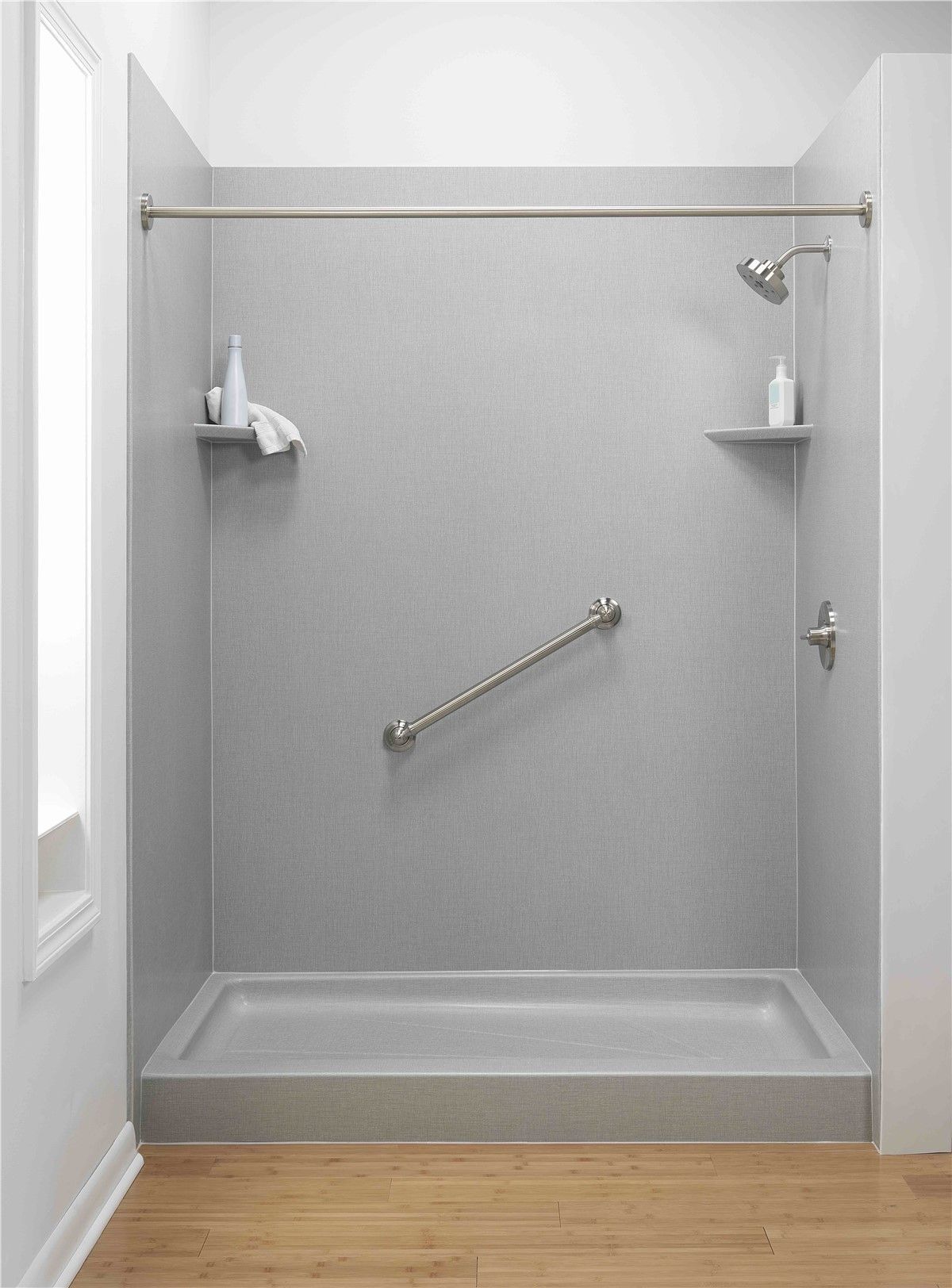
- Low-step or no-step entry points to the tub or shower, so there is no need to lift your knees high or worry about tripping
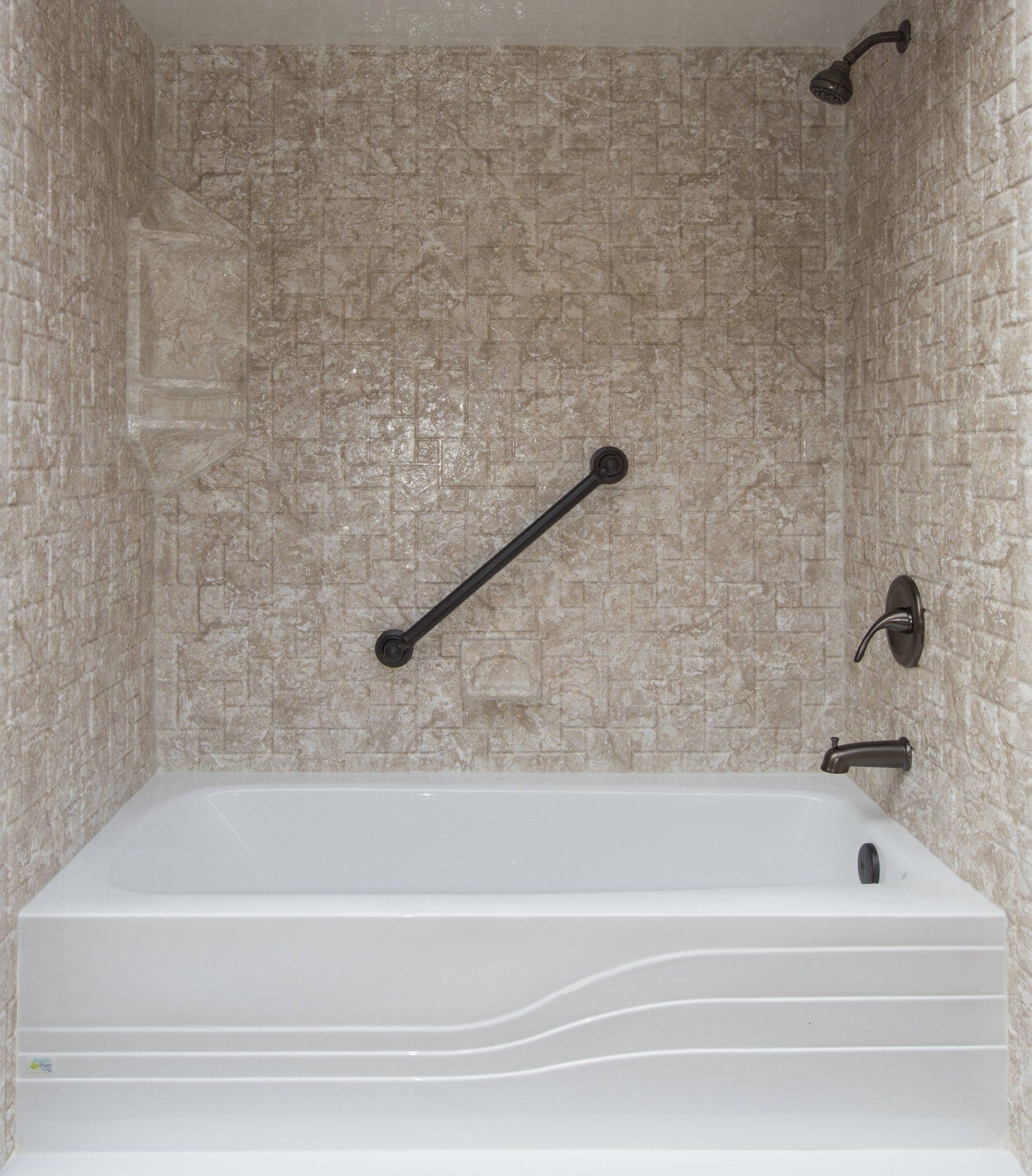
- Strong, well-placed grab bars that support body weight where it is needed, by the seat, the walls, near the entry
- Non-slip flooring that stays grippy even when the floor gets steamy or wet
When we talk about accessible bathroom design, we come back to these details often. Because over time, it is not about what looks good. It is about what works on a cold Tuesday morning when your back is a little sore and you just want a warm shower without a struggle. In many New Hampshire and Southern Maine homes, we can remove an old tub or shower and install a new, more accessible model in just one day, so these changes fit more easily into everyday life.
Design Details That Make Daily Life Easier
The little things can matter more than you might expect, especially when mobility has changed or you stay indoors longer during winter.
Some of the most helpful small features include:
- Handheld showerheads that can be used seated or standing, making it easier to rinse without having to move too much
- Faucet handles that do not require tight grip strength, which can be tough when your hands feel cold or stiff
- Wider doorways or shower entries that make it easier for people using a walker or with someone helping them
- Extra lighting where it counts, at entry points, near switches, or around mirrors, especially important when natural light is limited in the early morning or late afternoon
When these conveniences are in place, the whole routine just flows better. There is less strain, less waiting for help, and more control over your own space.
Comfort Counts Too
Winter mornings in New Hampshire or Southern Maine can be bitter. That cold seeps into tile, metal, and porcelain fast. So anything that adds warmth or comfort becomes more valuable than ever.
Here is what contributes to a better experience:
- Materials that do not feel ice-cold when you touch them, which helps with comfort and avoids that bracing start to the day
- Good airflow to keep the steam from settling, especially when the air inside is dry and cold
- Cabinets or shelves you can reach easily, without needing to bend or stretch, minimizing slips and strain on cold muscles
An accessible bathroom is not just about safety. It is about making the space comfortable and familiar too. If it feels like home, it works better every day.
A Bathroom Built for Confidence All Year Round
Aging in place should not mean struggling through daily routines, especially in the bathroom. When common movement and cold weather challenges are addressed, those routines can start to feel simple again.
Accessible bathroom design offers just that, a clear, manageable way to support both safety and independence. From cold, snowy mornings in New Hampshire to the long winters in Southern Maine, a smart bathroom layout brings a little more peace of mind each day. Our tubs and showers include a lifetime warranty on the products, which adds long-term reassurance as needs change over time.
If you're ready to make your bathroom safer and more convenient this winter, it might be time to consider a smart update. A
tub to shower conversion can make daily routines easier for anyone aging in place. At Cloud 9 Tubs, we specialize in transforming traditional tubs into accessible, low-threshold showers built for confidence and comfort. Let us help you take the next step toward a safer home.
Blog